Iconography is the symbolic representation of visual images used in a work of art or the interpretation of these.
It is used in film to describe its visual language, especially within a specific genre. The audience expects to see certain objects when they see a particular genre. For instance, audiences expect to denote horrifying events in the movie like a monster, the use of dark light, scary woods, etc.
DISTINCT:
- Don’t
- Ignore
- Setting
- Technical
- Iconography
- Narrative
- Characterization
- Themes
Horror movies have a specific design that allows audiences to identify the genre.
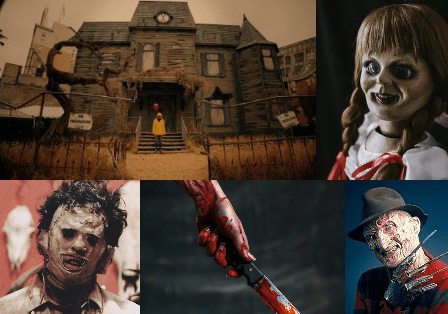
Iconography in the horror genre can be seen throughout the film in symbolic symbols such as a haunted house, old creepy dolls, a disfigured face or a mask. Further, it can also include death symbols such as a knife, blood, and dead bodies.
A common used binary in horror is the contrasting forces of good vs. evil. Some settings in which the evil usually resides is normally dark in colors and lighting, living in empty places like the attic or the basement, or free in the woods ready to attack its victim.
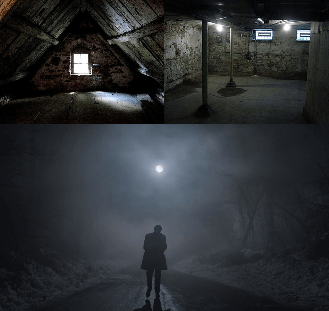
The visual style commonly used in the horror genre is dark colours such as black to signify isolation and evil and red to emphasize danger and blood.
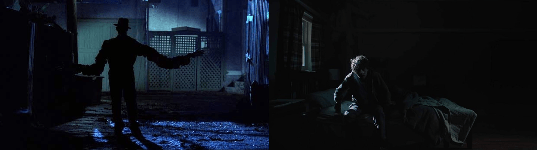
For the lighting, a low glimmer can help create dark contrasting shadows among unfamiliar shapes in the darkness.
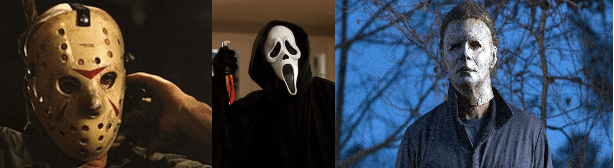
Commonly props used can help the audience to easily denote the genre; further, specific props can be identified with a character, most likely the villain. Like how you can identify Jason and Michael Myers with his mask, and Ghostface with is mask and bloody knife.
Iconography, along with codes and conventions, allows audiences to have a further understanding of the genre.
Source: https://prezi.com/rxbz4zugrwaq/iconography-of-horror/
 AS Media Studies