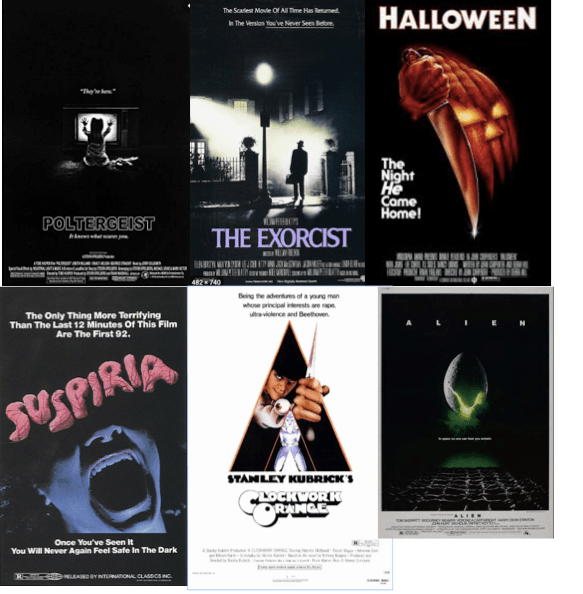
NARRATIVE

Narrative is the organization given to a series of facts. The audience can connect events and make interpretations based on those connections. On the contrary of story, narrative is the way the story is related to viewers.

For the audience to analyze a narrative successfully, they need to see how it is constructed worth the use of audio codes, visual codes, structure and the characters.

The same classic narrative can be applied to the horror genre, which is often used in many films of said genre.

There is usually a protagonist that ends up being the hero of the movie. There is the antagonist, which is the villain of the film that disrupts the equilibrium of the story. Normally the hero has to embark on the mission to kill the antagonist or solve the problems to save themselves and others around them.

Narrative themes:

  • Revenge
  • Survival
  • Death and murder
  • Religious beliefs
  • Supernatural
  • Paranormal

Todorov’s narrative theory (linear narrative):

  1. Equilibrium
  2. Disruption
  3. Recognition
  4. Attempt to repair
  5. Equilibrium

He discovered that for the narrative to move forward in a chronological order, one action has to follow the other. There has to be a clear beginning, middle, and end. He also proposed that the characters need to be changed in some way throughout the story, and that evolution would be evident by the resolution of the story.

So for a story to be successful according to Tudorov it require:

  1. actions which change the lives of the characters in the story
  2. some sort of resolution where the change is registered, which creates equilibrium fpr the characters involved.
  3. equilibrium

Very often narratives can be subjected into being formulaic. For instance, in the sub-genre of slasher films. They start up with an event that turns the antagonist crazy or because of physiological issues they return to their home town and start preying on teenagers. Usually the teens are immoral and quite dumb. Sometimes there is a survivor remaining that then gets targeted in a sequel that is being nuanced at the end of the film.

To break that formulaic narrative, an unconventional narrative structured can be used such as a non-linear narrative.

A non-linear narrative is the opposite of what Todorov narrative theory covers. With a non-linear narrative the story can move backwards and forwards in time; this can be accomplished by using a flashback technique. A movie that uses this type of narrative structure is Memento by Christopher Nolan. One can see the flashbacks of the main character writing on the Polaroids in black and white contrasting to the present that is in color. The movie could be also considered having a circular narrative, because the movie starts with its ending and the audience can only understand the ending clearly once the film is done.

Christopher Nolan explaining the order in which Memento is being told

Narrative codes and conventions:

  • Flashback – used to give audiences extra information, normally used to show the past of a character, this storytelling device helps to drive the story further.
  • Point of view shots – this type of shots give audiences the same view as a particular character. POV are very effective in horror films because the camera can take the view of the villain stalking a victim.
Image result for pov shot in movies
POV shot in the TV drama Breaking Bad
  • Apparently impossible positions – this type of camera shot give out unusual perspectives of action.
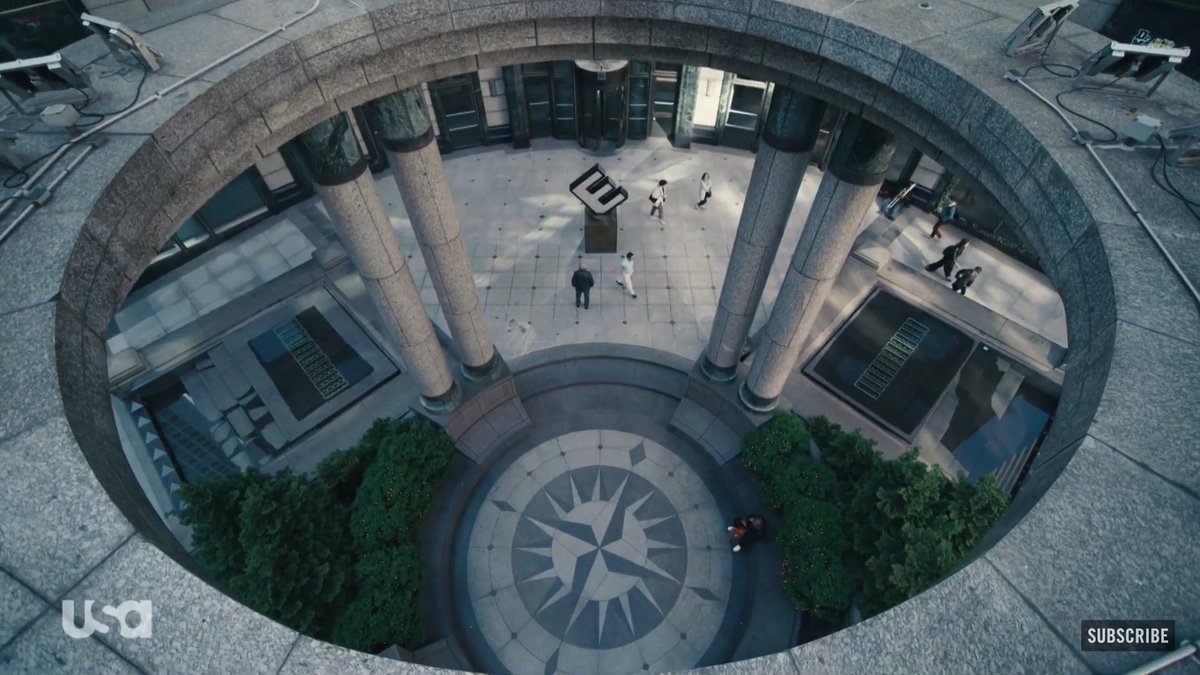
Image result for aereal shot in mr robot
Areal shot in Mr. Robot, probably taken from a drone
  • Privileged spectator positions – the camera places viewers in a position where they see aspects of the narrative that other characters cannot see.
  • Voiceovers – can be used to describe the narrative in movies and TV shows. It could also be used to inform the audience of missing information that is not particularly shown on screen.
  • Enigma codes – editing technique where it uses the camera to show only some of the narrative, which ends up leaving the audience with a sense of mystery and intrigues them to know where the narrative will go next.
  • Action codes – actions in the narrative that alerts the audience about what to expect as the narrative progresses further.

Folklorist Vladimir Propp claimed stories are character driven. Further, he argues that plots develop from the struggles, actions and decisions of characters and how they function in a story. He claimed that characters can be classified into particular roles that progress the story, such as characters like the villain that struggles to detain the hero trying to achieve their quest.
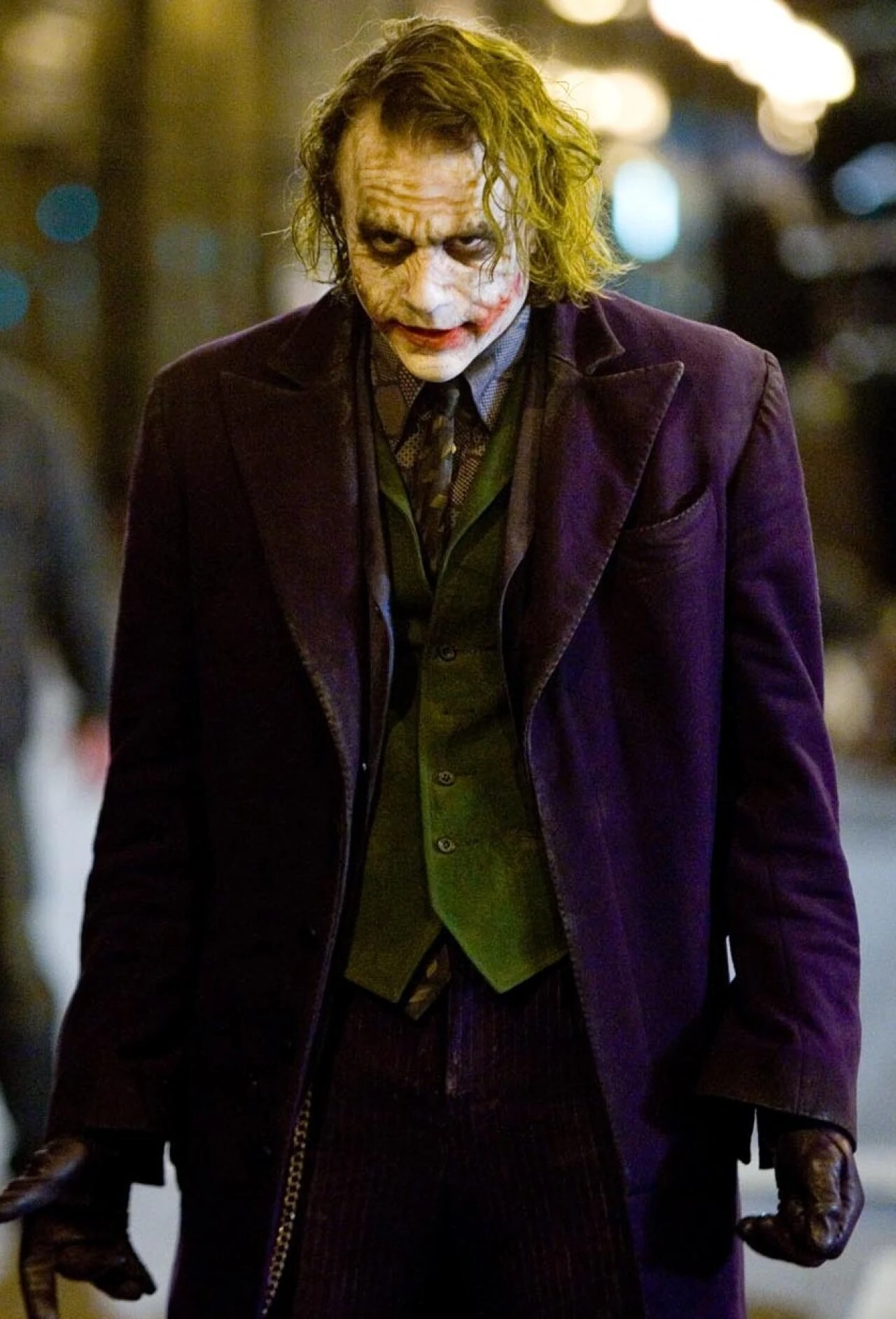
Image result for heath ledger joker
Heath Ledger’s legendary Joker

Narrative techniques:

  • Time and space – playing and manipulating with time and space could be used while constructing a narrative. Like when live sports can be viewed by multiple people from anywhere in the world
  • Multi-stranded – in TV shows and movies the narrative structure don’t always follow the same format or story line. This allows the TV producers to interweave narratives over a series of episodes. By using cliffhangers it encourages the audience to keep to date as the narrative progresses.
  • Three strand narrative – introduces three different strands at the start of a TV episode and then links them as the episode progresses.
  • Split-screen narratives – the screen splits into sections. Each section shows a mini narrative.
  • Flexi-narrative -complex characters surrounding the central plot. Other smaller story lines mix with the original story line. Challenges the audience to question what is real wand whats not, it adds to the mystery.

FORM CONVENTIONS

The form conventions of a movie include the movie title and how it is written; in other words the type of font and color that it is used.

The Exorcist horror font

In the movie The Exorcist the font that it is used is serious, sort of catholic, it also uses bloody red that helps the audience the terrible things that are going to happen in the film. The poster makes individuals feel fear without having any context on what the film is about. Although with the title alone one can predict sort of what is going to happen in the film; one can denote something paranormal is going to happen along with something religious.

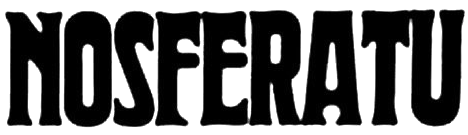
Nosferatu (1922) horror font

The font that is used for horror classic Nosferatu has a Gothic feel to it. It is inspired by the aesthetics of German expressionism and art nouveau. The film is dark and has a disturbing framing as well as sharp contrasts. The movie’s gloominess is perfectly translated by the font used in the title.

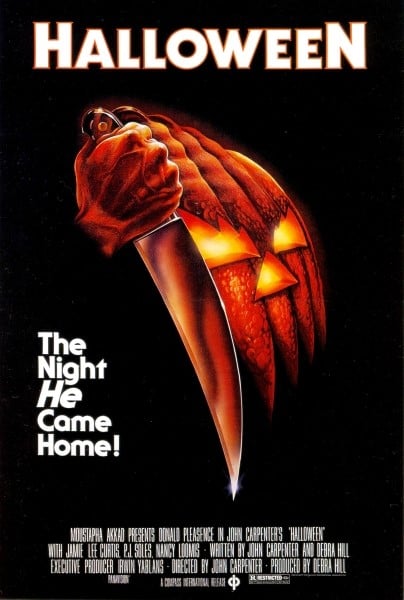
Halloween horror font

The title Halloween is presented on a black background with the letters in bold white writing with an orange border. It is Gothic, due to its subtle sharpness on the orange borders, but at the same time modern. The day of Halloween is already associated with creepy themes, so one can already tell the movie is going to be horror just by the title alone.

ICONOGRAPHY

Iconography is the symbolic representation of visual images used in a work of art or the interpretation of these.

It is used in film to describe its visual language, especially within a specific genre. The audience expects to see certain objects when they see a particular genre. For instance, audiences expect to denote horrifying events in the movie like a monster, the use of dark light, scary woods, etc.

DISTINCT:

  • Don’t
  • Ignore
  • Setting
  • Technical
  • Iconography
  • Narrative
  • Characterization
  • Themes

Horror movies have a specific design that allows audiences to identify the genre.

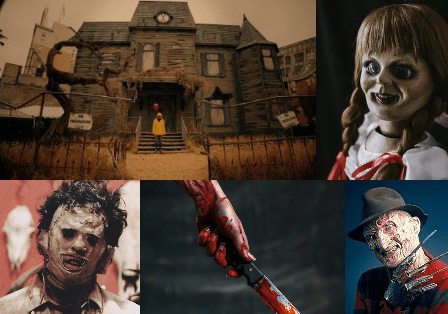
Iconography in the horror genre can be seen throughout the film in symbolic symbols such as a haunted house, old creepy dolls, a disfigured face or a mask. Further, it can also include death symbols such as a knife, blood, and dead bodies.

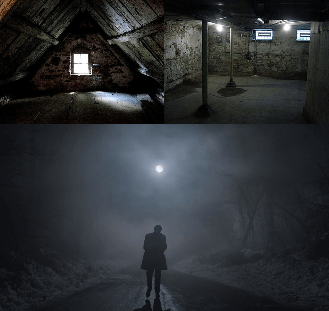
A common used binary in horror is the contrasting forces of good vs. evil. Some settings in which the evil usually resides is normally dark in colors and lighting, living in empty places like the attic or the basement, or free in the woods ready to attack its victim.

The visual style commonly used in the horror genre is dark colours such as black to signify isolation and evil and red to emphasize danger and blood.

For the lighting, a low glimmer can help create dark contrasting shadows among unfamiliar shapes in the darkness.

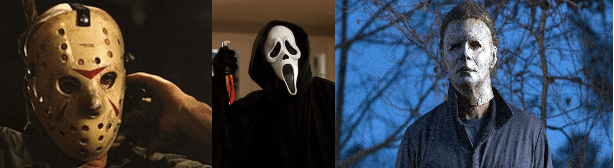
Commonly props used can help the audience to easily denote the genre; further, specific props can be identified with a character, most likely the villain. Like how you can identify Jason and Michael Myers with his mask, and Ghostface with is mask and bloody knife.

Iconography, along with codes and conventions, allows audiences to have a further understanding of the genre.

Source: https://prezi.com/rxbz4zugrwaq/iconography-of-horror/

CONVENTIONS

Conventions in film- are the generally accepted ways of using media codes that are genre specific.

There are various forms on how to use media conventions on a movie. They derive from form conventions (movie title), story conventions (narrative, cause and effect), and genre conventions (whether the film is horror, comedy, romance,etc..).

In my case, I have decided to produce an opening of a horror film, which are designed to cause an unsettling feeling on purpose to the audience and scare them. For instance, ot could do the following to someone:

  • Cause dread and alarm
  • Frighten and make them panic causing their heart rate to rise
  • Bring out hidden unknown fears
  • Captivate the audience and entertain them in a gruesome and/or fearful way.
  • Conclude in a way that may shock them

Most typical fears reinforced by horror films:

  1. Vulnerability – someones inability to hold out against the effect of an aggressive environment
  2. Nightmares – something that everyone can relate to; everyone has had a nightmare at least once in their life
  3. Fear of the unknown – can be something as simple as a dark room
  4. Alienation – the fear of being alone
  5. Loss of identity – losing the very thing that made you who you are
  6. Death – its inevitable as it is unknown; no one knows for certain what happens after you die
Stephen King talking about horror and suspense

In this clip, Stephen king describe horror as when you are a little kid wanting to get to your sibling. In other words, get a reaction out of them, whether their mad, scared, or even annoyed you are getting a reaction out of them. He describes how suspense is horror, a more sophisticated horror. I take is in as in no matter what I do, I at least have to make the audience feel something with my product, hopefully something I intend to make them feel, such as them getting terrified but satisfied at the same time.

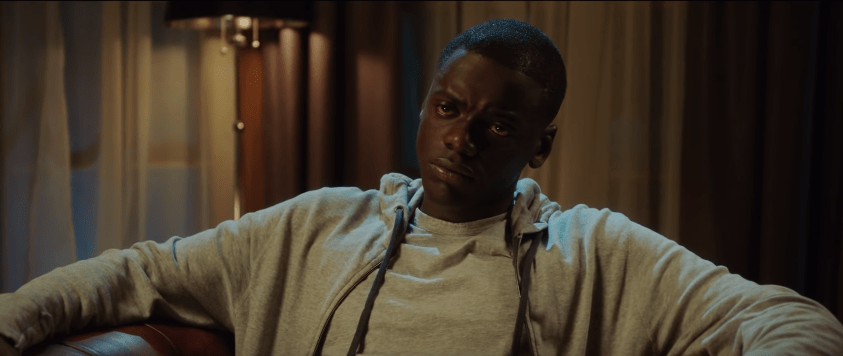
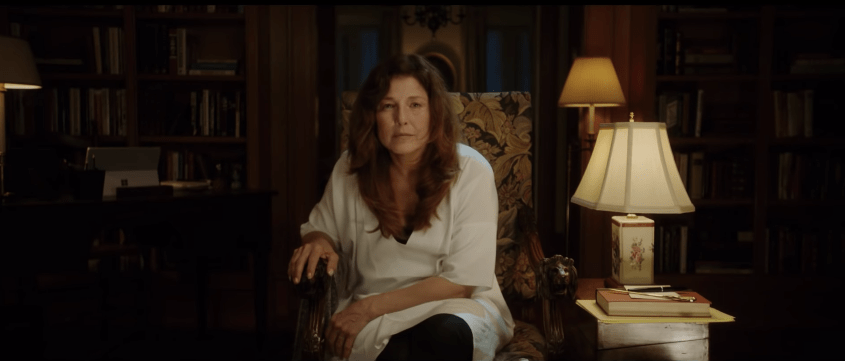
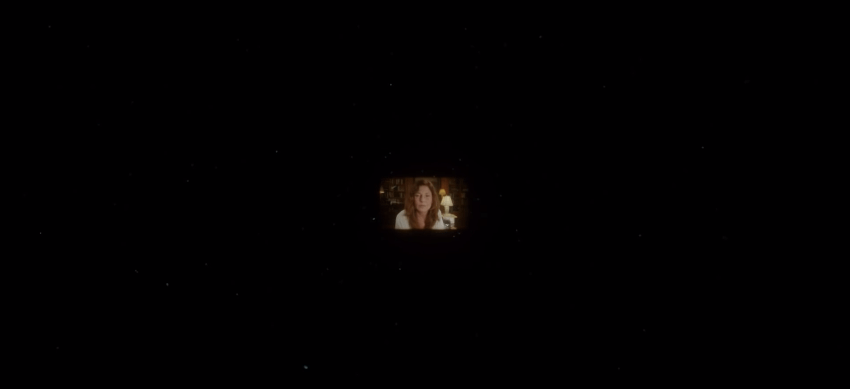
Get Out: Hypnosis Scene Analysis

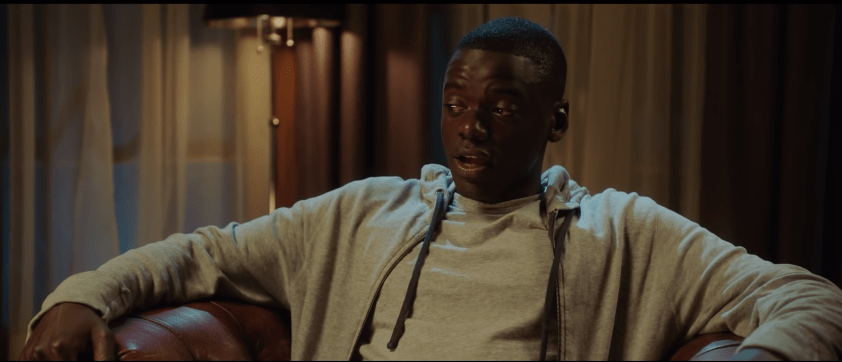
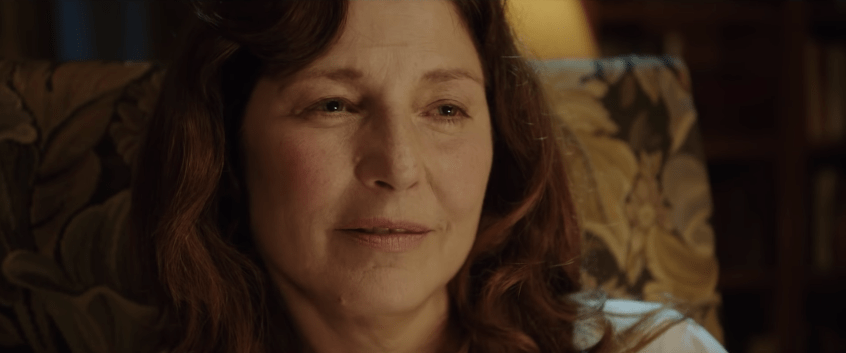
It starts off with a slow dolly shot with the sound of rain able to be heard because the mother of the protagonist’s, Daniel, girlfriend asked him to remember his troubled past and what was it like.

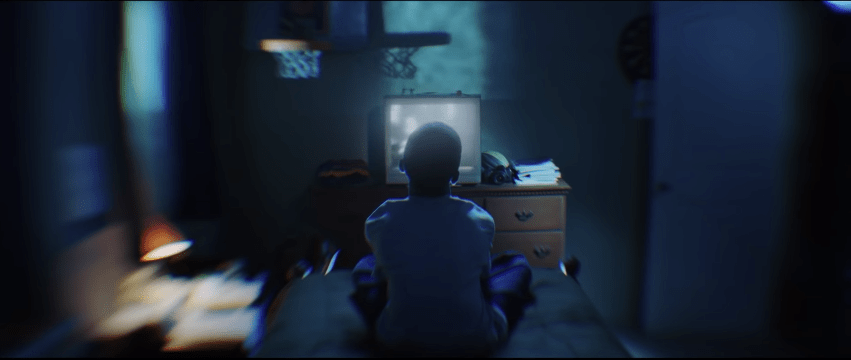
Then it cuts to a flashback where you see a young kid from behind watching TV. You don’t get to see his face, which the audience could make a connotation to the movie Poltergeist where you also get to see a young child from behind in front of a TV, which is a horror movie as well. The shot seems sort of foggy on the sides and focusing on the kid emphasizing that it is a memory from the protagonist.

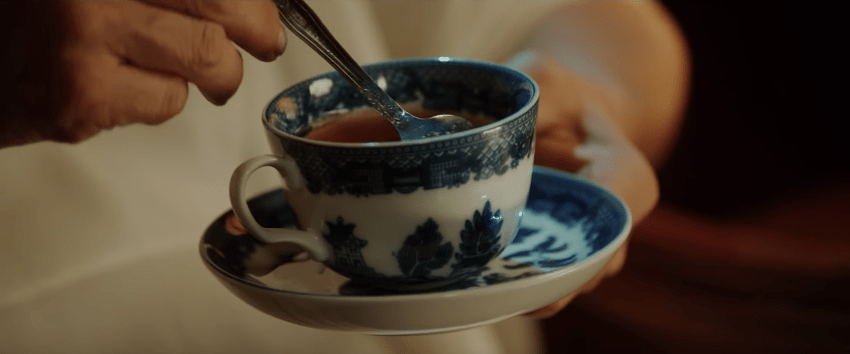
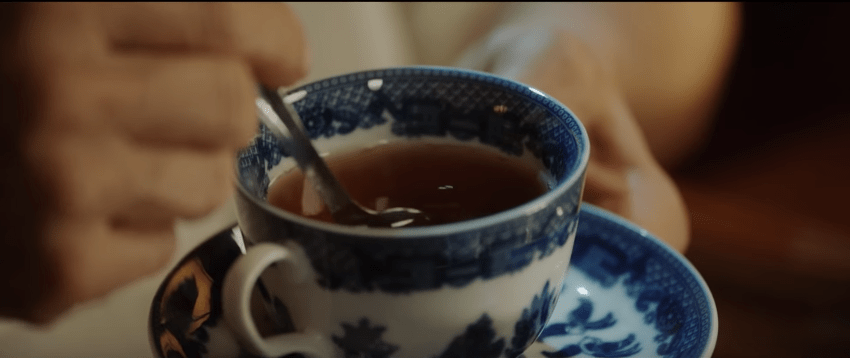
Later, there is a shot where it focuses entirely on the mug where the mother is rotating tea with a spoon. It emphasizes the power that she is holding over him with just the sound of a spoon colliding gently with the ceramic mug. The sound is concurring all throughout the scene since it is the strategy she is using it to hypnotize and manipulate Daniel thoughts onto remember the tragic loss of his mother. Further, it makes the audience aware of the fact that in just a flick of a second, the woman can hold the upper hand over Daniel. The close-up shot highlights the importance of the mug.

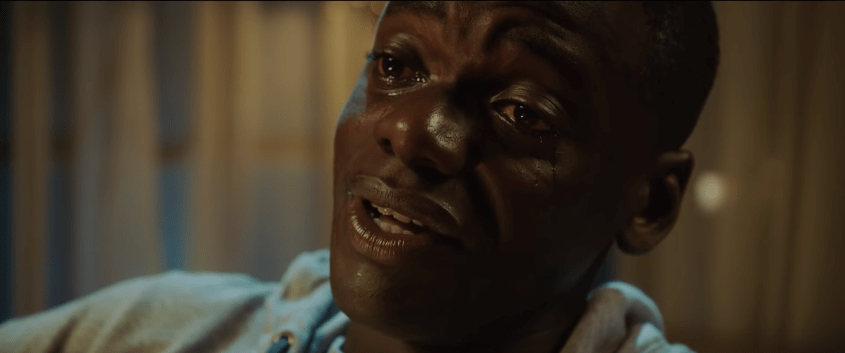
Daniel is slowly becoming distraught because of the memory of his mother’s passing flooding in. He is showing incredibly deep emotions of distress, his eyes are watery and red signifying he is about to cry, he is unable to process words correctly. As the camera starts to slowly close in his face, he starts to led out some tears while she is asking him about how his mother was. The lighting has yellowy/golden hues; which according to the color theory, yellow could mean being covetous, the woman is greedy to have him at the house for the strange cult her family was upholding, which is later revealed as the narrative of the story progresses thought the film; yellow also means hazard, which could mean the woman, therefore her family, is a hazard for him in a way, they wanted him for his body and his abilities for their own psychotic reasons.

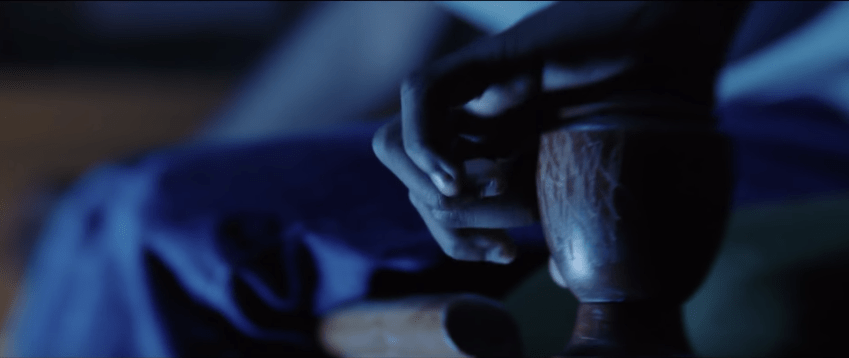
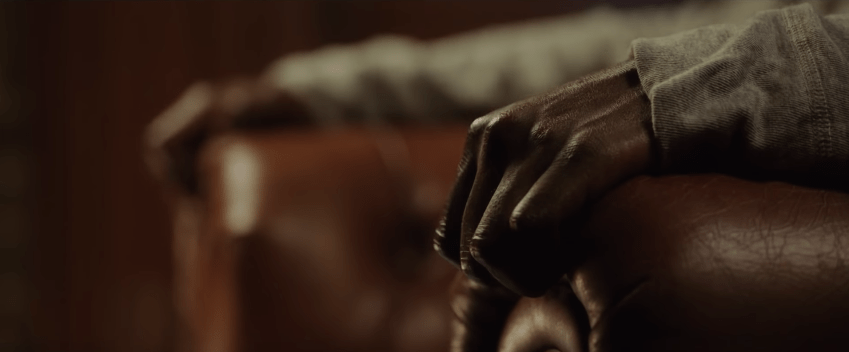
Two close-up shots of him scratching the sides of his bed/chair. It seemed to be a habit of his since there are a bunch of scratch marks on the sides of his bed. The significance of these shots are showing the emotion he is drowning in; he is slowly becoming trapped in his childhood; the shot is planting a seed of being imprisoned. The director, Jordan Peele, subtlety plants that seed into the audience before they see him actually trapped in the basement of his girlfriends family home.

Again the insert of the tea cup is to put emphasis on the fact that this is the tool that puts him into sleep. You can hear the sound of the tea cup prior to seeing the close-up throughout the scene, highlighting its importance. Daniel points out the he “can’t move”, and the audience can now understand why that is; the scene is conditioning the audience to learn that the ceramic mug is the key to have control over him.

As she says the line “sink into the floor” the un-diegetic sound of the score in the background of the scene stops as well as the sound of rain. You can only hear her voice and the mug. It accentuates the power of her words.

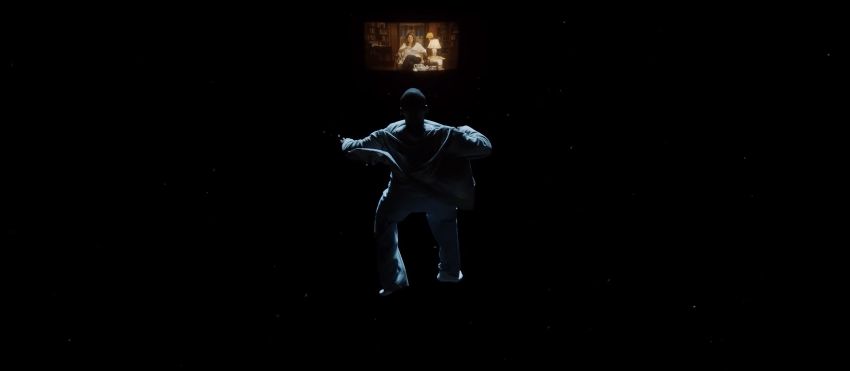
Then the sinking occurs, the way this scene is shot and how the sinking happens is simple, it does not have major CGI work. It is just a camera moving behind young Daniel sinking into the bed, and then older Daniel falling into a black void. The un-diegetic sounds of violins are amplified as he is falling down. It is melancholic, it translates perfectly to the audience making them feel as Daniel is feeling, scared, surprised, helpless.

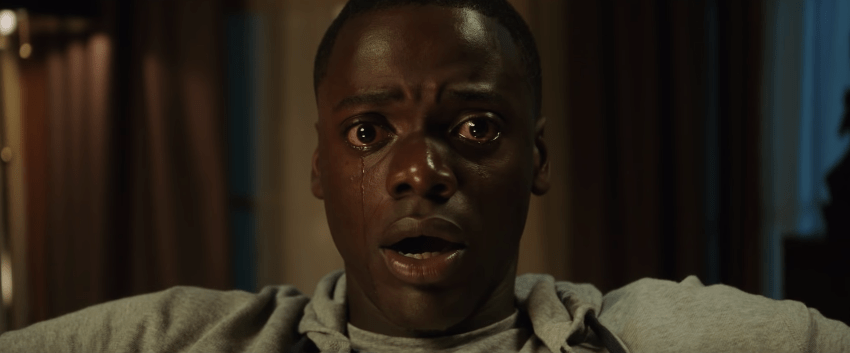
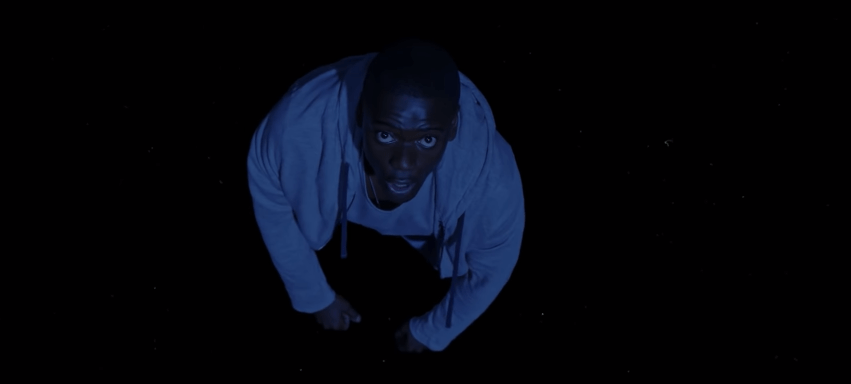
Close-up of him looking terrified while he is under the hypnosis unable to move or ask for help. He straight up looks at the camera as if he is asking the audience to help him through his eyes.

POV shot if Daniel looking at the woman telling him he is in the sunken place. It is using a low angle sort off to point up the power she has over him. She is looking high and mighty over him while he is unable to move.

Low angle of him asking for help while his voice is unable to be heard because of the music score, shows off how helpless he is at that moment. The blue hue is used not only to connote to his childhood -since blue colors where used in the flashback scene- and show he is being trapped into those memories and feelings; but also blue could mean isolation and depression, again amplifying the feelings he had as a child and how he is feeling now.

CODES

A code is a system of letters, words, figures, and symbols used to create meaning for the audience. They can be divided into two categories: symbolic and technical.

Symbolic – show what is beneath the surface of what we see, for instance, a character’s actions that can show how the character is feeling. Symbolic codes include setting, mise-en-scene, acting, and colour.

Technical – the way equipment is used to tell the story, for instance, the camera work. Technical codes include camera work, editing, audio, lighting.

Written codes – printed and spoken language.

CODES IN HORROR FILMS

Horror movies are meant to be unsettling for the viewer. They are meant to frighten and panic the audience while simultaneously keep them entertained. There are distinct aspects of codes set for the horror genre, including the following: narrative, characters, settings, props, colours, and costume.

CHARACTERS

The protagonist – usually the hero/victim of the story The antagonist/villain – tends to be a demon or monster of sorts, ghosts, zombies, mutated freak or a psychopathic serial killer. The sex appeal – normally played by attractive women who usually end up being the first to be killed. Other characters may also include careless teenagers who often get killed off first, creepy dolls/children, authority figures like the police.

MISE-EN-SCENE

The mise-en-scene in the film include the setting, props, lighting, and colour. The most common setting in horror is a secluded location such as an abandoned or isolated creepy-looking house in the middle of the woods or a ghost town. Having these settings help create tension and suspense amongst the viewers. Since the audience is aware of the isolation, when something terrible happens they know that the victim or victims are alone with the villain, unable to escape and to reach for help. In horror, the most used colours are black and red to connote death, danger, evil, and blood; another color is blue that connotes isolation. Props normally include weapons to show the audience that there is violence, therefore danger is about to come and characters are going to need to fight off evil.

LIGHTNING

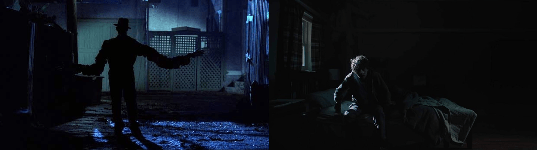
1. Uplighting – a light source under a character’s face to create unnatural shadows. 2. Backlighting – used to create silhouettes by setting a light source behind a subject. It creates an eerie feeling to the viewer since they don’t know who/what the figure is. 3. Spotlighting – a POV of the character investigating a place with a flashlight. It creates a feeling of suspense waiting for the scare-jump to come. 4. Long shadows – normally use hard light to achieve it.

CAMERA WORK

High angle/bird’s eye view – used to make figures or objects being looked down upon and seem powerless and vulnerable. Tracking or panning shot – connotes movement. Used to show characters being followed or watched. It builds suspense as the viewer does not know what could be shown next. Tilted angle – adds dramatic tension. It could be used to act as though the lens of the victim on the floor, the audience is able to see what the character is seeing. Long/extreme long shot – can put into perspective how deserted the house or town the characters are in. Low angle – emphasize how scary and intimidating the villain is, can also make the audience feel the same weakness and insignificant as the characters in the film. Handheld shot – give off a sense of reality. It makes the audience feel involved in the scene and accentuates the horror since you feel as if you are in the scene. POV (Point of View) – taken from the perspective of the character. The audience is able to see the film through the eyes of said character; they can become emotionally attached and more terrified as they are being attacked by the villain/aggressor/monster/ghost/etc. Zoom – it adds a dramatic effect as well as creates suspense and fear as the audience does not know what are they going to see next. The camera can zoom in into something gruesome or gory making the audience uncomfortable, or it can be zoomed in into a character’s face enhancing their emotions by making the shot seem more dramatic. Over the Shoulder Shot – it is used best to build tension and add suspense. It can be used around mirrors and reflections so the audience can see what’s going to happen as soon as the character does. It can be used to show a figure standing behind a victim.

EDITING

Usually fast-paced so it builds up the tension. It could also create a sense of urgency for the audience. Further, it can disorientate the viewers feel worried and uneasy, but the fast-pace is mixed with a few scenes with slow-pace editing so that it draws the audience into the movie and gives them a sense of security before jump-scare them. Editing techniques: 1. Cutaway – shows characters’ reactions to a -most likely terrible- a situation they are facing. 2. Jumpcut – usually sued to scare the audience unexpectedly. 3. Smash cut – used to shock and frighten the viewers in the change from quiet to loud. 4. Elliptical editing – keeps the audience interested in the film and on the edge of their seats by cutting away unnecessary parts of the film. 5. Fade to black – gives a tense/mysterious feeling to the audience.

AUDIO (SOUND EFFECTS/MUSIC)

Music/sound effects can be used to build up tension. For instance, when the music starts low and slow and starts to build up as the scene progresses can put the audience on edge. Furthermore, music can also be used to scare the audience by using loud fast music that can help to shock them. On the other hand, lack of music in a scene can help create an uncomfortable feeling to the viewers due to the quietness, it can also emphasize the sound effects on the film, such as food steps and nervous breathing. Common sound effects on horror films: footsteps, doors creaking, floorboards creaking, wind, and screams.

AUDIENCE

For a film to be successful, the marketing team have to know how to distribute the movie in a way that it is appealing for the general public; further, they also have to take into account the film genre’s targeted audience, which is arguable more important to acknowledge. A target audience are very much necessary to market a film, they need to attract the right people who would not only enjoy the film but also would give positive feedback to enthrall people outside of the niche.There are two types of targeted audiences:

Primary Target Audience – The main audience the film is trying to target. Films are normally established by their demographic according to film’s genre. Includes age, gender, and class.

Secondary Target Audience – Commonly targeted at an audience with a specific interest in the film. Can be a larger group of people than the primary target audience. They don’t have to be identified by demographics.

Typical Horror Audience

Horror films are targeted specifically at individuals between the ages of 15 and 25. People of said ages look for a thrill when they choose to go watch a scary movie, they are often curious on what it has to offer. The horror genre of movies are filled with suspense and scary unexpected pop up scenes, typically named ‘scare jumps’. These thrills are more likely to excite a younger audience. Also, younger audiences are not put off by graphic images as much as an older audience.

There are multiple audience theories made by media analysts to understand how individuals ingest the information transmitted by media texts. Including

1. The Hypodermic Needle Model Audiences receive the information passively via a media text without trying to attempt to challenge or process the data. It was first introduced in the 1920s, which was an age the mass media was still fairly new, cinema and radio were less than twenty years old. The Government discovered the power of advertising to communicate a massage to the public; so the used propaganda to attempt and draw individuals to their way of thinking. The theory suggests that the information gathered from a text passes into the masses consciousness unmediated, the opinion nor intelligence of a person aren’t relevant to the reception of the text. As an audience, we are being manipulated by the creators of the media text. It suggests that our behavior and way of thinking might be easily influenced and changed by media-makers; assuming that audiences are passive. This theory is mostly used to explain why certain groups in society shouldn’t be exposed to some media texts.

2. Two-Step Flow Came about in the 1940s. The theory suggests that information does not flow through people’s minds directly form the text unmediated, but rather it is filtered through “opinion leaders” who then communicate the text to their less active peers, over whom they have influence. The audience gathers information directly from the media texts with the ideas expressed by the opinion leaders.

Uses and Gratifications In 1948, theorists Lasswell claimed that media texts had functions for individuals and society, including the following: surveillance, correlation, entertainment, and cultural transmission. In 1974, researchers Blumer and Kats explained the theory further and published their expanded take on it. It states that people might use and choose a text for the following reasons: Diversion – escape from everyday problems and/or routines Personal Relationships – using media for emotional reasons and other interactions Surveillance – information that can be useful for living, such as weather reports and holiday bargains

Reception Theory Stuart Hall’s encoding and decoding model of the relationship between audiences and media texts. It states that a text is is encoded by the producer and decodes by the reader. Although there can be two different readings of the same code; by using already existing codes and conventions and drawing the audiences expectations with aspects such as genre, producers can position individuals and create a way of agreement on the meaning of the code; known as preferred reading.

Task 3: CHOSEN FILM GENRE

My peers in my group and I decided to do the intro of a film that is on the Horror genre. The reason that we came to that agreement is because it is the genre we feel most comfortable in. I believe I understand the codes and conventions of horror the best, and since most of our initial ideas were linked to horror we decided to give it a shot. I am on the lookout for some good locations we could film such as a creepy old desolated house.

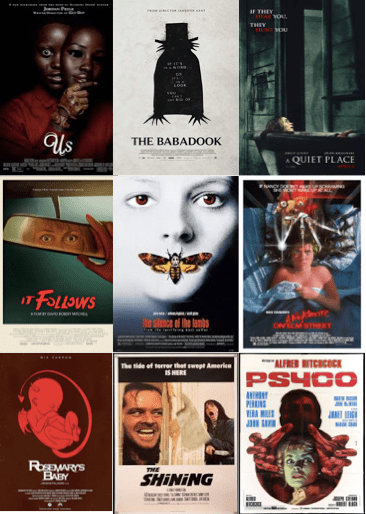
The following are films are examples of what I would like my final product to look like:

Design a site like this with WordPress.com
Get started